
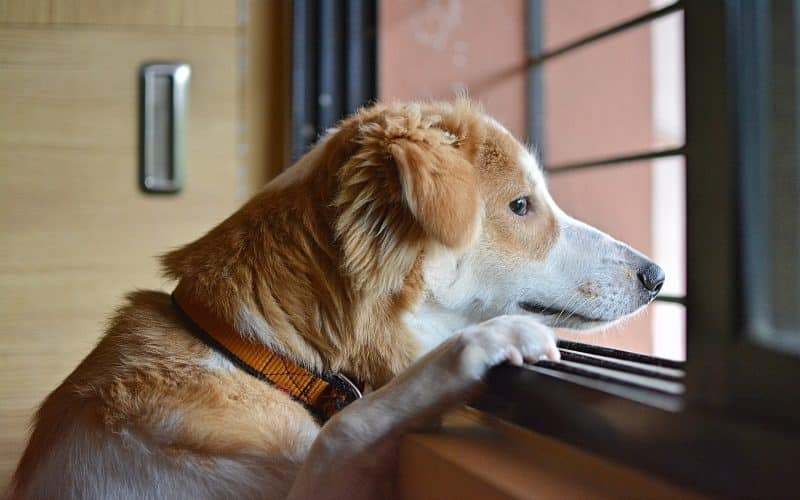
You’ve been in a routine with your dog for several weeks. Perhaps you’re spending more time at home than usual. And then, suddenly, you are back out of the house and busy – and your dog seems to have taken notice.
Some dogs are more predisposed to separation anxiety than others. No matter the cause or the level of anxiety, it can be extremely difficult to leave your pet when they’re feeling panicked. More than anything, they are unsettled and just want you home, but that can’t always be the case.
There are a variety of things you can try to help your dog work through it’s anxiety. From safe spaces to treats and toys, here are a few suggestions to get you started.
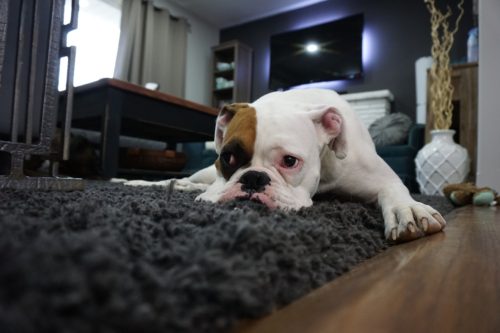
CAUSES AND SIGNS OF ANXIETY
Dogs can experience separation anxiety due to a variety of triggering events. Whether they had a traumatic experience in a shelter or a kennel, are used to having human contact constantly or are adjusting to a change in their family’s routine, there are lots of reasons your pet can feel anxious when you start leaving the home again.
Separation anxiety isn’t necessarily something that appears as a puppy either. It can come into play at any point in your dog’s life. What’s important is finding a way to manage it, for the ease of your pet, family and home!
There are several signs that indicate anxiety in your pet, whether they are ones you see as you leave our house, or things you may notice once you get home:
- Panting, barking, howling, whining or trembling when you are heading out.
- Urination and defecation (no matter if the dog is trained or not) around the house.
- Digging marks, scratch marks or chew marks around doors and windows.
- Destruction of your house while you aren’t home.
- Signs of stress in your pet like excessive drinking, lack of appetite and overall restlessness.
Several of these can also apply to other conditions; be sure to speak to your vet prior to starting your separation anxiety training if you aren’t certain that’s exactly what your pet is experiencing.
RECOMMENDATIONS WHILE TRAINING
According to the British Columbia Society for the Prevention of Cruelty to Animals (BCSPCA), it is best not to leave your dog alone while you are training them through their separation anxiety. If you can, take them to work with you, leave them with a dogsitter or have someone stay home with them in the space that is making them anxious. Alternatively, take them to a doggie daycare while you are out of the house!
WHAT TO DO WITH MILD SEPARATION ANXIETY
- Make your departures and arrivals calm. (will expand on this as it relates to how owners can make a fuss over a pet when they leave or arrive which can cause too much excitement!)
- Leave items of your clothing out and in your pets reach, so they have something comforting while you are out.
- Teach your dog a word or action that will tell them you will be back, and use it every time you leave the house. Give them a treat on their bed or in their kennel when you use the word to create a positive association.
- Exercise your dog well before you leave the house! Much like humans, dogs can feel less anxious and destructive if they get proper exercise. Just make sure the exercise is 20 to 30 minutes before you leave the house yourself, so your pet has a chance to mellow out after their walk.
- Take value out of items that usually signal your departure, or mix up your own routine so that your departure isn’t as easily predictably. Pick up your keys, and then sit and watch TV for a few minutes. Change up the order of your morning; your dog is picking up on your shower, then get dressed, then eat breakfast daily routine too and can be escalating their anxiety as you go through it.
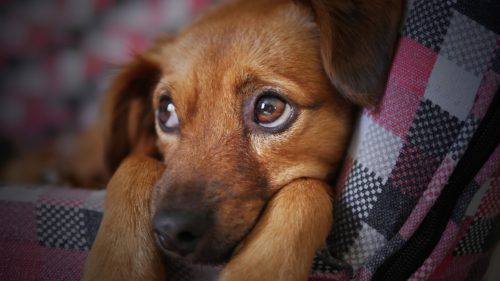
Teach the hang out exercise
The BCSPCA recommends working with your dog through the hang out exercise, to teach your pet that it’s safe to be away from you. In short, the exercise works your dog through a variety of stages of spending time alone in a space in your home; the exercise will gradually work up from you being in the space with them, to you being out of the house. For all of the recommended steps, see their website.
Make them a safe space
Whether it’s a crate or a whole room, there are a variety of options in your home that could create a safe haven for your pet when you are out. For this, dogs will generally prefer smaller spaces, giving them more of a den-like feel.
Crates
Crate training can be useful with some dogs if they had crate training as a puppy and feel the space is a refuge for them — or if they have one already and enjoy the space for their naps. It also ensures your pets aren’t destroying your home while you are away.
For dogs who are experiencing anxiety, try placing a blanket with your natural scent in the crate, alongside a cozy mat for your pet, their favourite toys, and a white noise machine if you think it would be effective in drowning out noise that stresses your pet out.
This will not suit every dog though. To figure out if a crate will work for you and your pet, pay attention to their behaviour when introducing a crate back into your space. If they are distressed in any way, consider a different option.
Rooms
You can also try giving your pet a smaller room in your house while you are out. Laundry rooms, closets or spare bedrooms are great options!
With this option, there are several things you should do to ensure the space is safe for your pet:
- Store cleaning materials and food away from your dog’s reach.
- Move garbage cans out of the space.
- Move anything you don’t want your dog playing with out of the space.
- Tape down cords or hide them behind furniture.
- Make sure the temperature of the space is comfortable and turn of anything that could overheat the space while you are gone.
- Check that your smoke detector and carbon monoxide monitor are working!
In the space, make sure to build your dog a space for sleeping – a dog bed is ideal if they aren’t in a room with a couch or pillow they already use consistently. As with the crating option, deck out the space with things your dog enjoys: blankets that smell like you, the toys they like, and noise that soothes them.
With this option, it might be a good idea to invest in a dog camera so you can keep an eye on your pet. Especially when they are just getting used to the space, it can be a great way to see when they’ve had enough and you need to get home. Our recommendation? A Furbo Dog Camera, which doubles as a treat dispenser if your pet is behaving well while you are away.
* Tips on using noise in your dog’s safe space: Radio or TV isn’t every dog’s cup of tea, especially if they don’t generally enjoy it when you are home with them or if it hasn’t been trained as a safety cue already. If you want to try using either technology to drown out outside noise, start by putting either the TV or radio on when you are home and use treats or praise to create positive associations. If they don’t seem to be settling into that noise, try a white noise machine or dog specific sounds/music (you can find them online) instead.
Build a toolkit
Beyond walking and playing with your pet, use all the tools in your toolkit that would usually keep your dog distracted if you weren’t able to dedicate a ton of time to them or are spending more time in the house with them.
Keeping your dog physically and mentally active can be a huge asset when training through separation anxiety. While it can tire them out, it can most importantly decrease stress and allow them an outlet for some behaviours.
Calming aids
There are also collars available that release dog appeasing pheromones which can help keep your pet calm. If your pet is comfortable wearing clothing, you could try a ThunderShirt; similar to a weight blanket for humans, the ThunderShirt swaddles your pet and gives them constant pressure to create a calming effect.
Looking for a local product to try? “Granville Island Stress! Whaddya Mean I’m Stressed!” bites from the Granville Island Pet Treatery could be a good place to start!
There are a variety of supplements or treats available for your pet which can help with separation anxiety – all safe for your dog to eat too! Check out Amazon or online pet stores, or speak to the team at your local pet store to see what they might recommend.
WHAT IF THE ANXIETY IS MORE SEVERE?
If your dog is showing signs of moderate to severe separation anxiety, engage your support system and contact your veterinarian! They might be able to prescribe some medications to help them relax, or suggest some other options that best suit your pet.
TIPS GOING FORWARD
- Make sure to give your dog break days when training so they aren’t overworked. Give them a day off – just like you would like through your work week! While training, keep the timeframe when you are working with them to something reasonable; 30 minutes would be a good place to start!
- Practice at different times of day so that they don’t only get accustomed to being alone at one point in their routine!
- Have your entire family involved in the training process, so your dog learns to feel safe when any member of your family leaves.
MYTH BUSTING
Restricting your dog
This can also apply with using a crate, if you haven’t trained your dog to feel like the space is a safe one! Many pets who have separation anxiety can also experience anxiety in confinement, so it’s best not to put them in a crate if they are not trained to feel secure there.
Restricting your dog (muzzling, leaching, using bark collars) is not the most effective way to handle separation anxiety. Though it will stop them from destroying your house, it won’t help with the anxiety at hand and can lead to more severe anxiety, self-harm or stress-related illness in your pet.
Getting another dog
Though it may seem like some company will crack the code on your dog’s anxiety, it is likely that they are feeling distant from you specifically and not just lonely overall.
Punishing your dog
Your pet is not destroying things on purpose, and shouldn’t be treated as if they are. They are suffering from a distress response, and punishing them may lead to more upset and worse problems! Support through training and perhaps medications should help. Be patient.

One Response
Really appreciate the anxiety info, things I already knew but some things forgotten, some things new! Great job, Thank you, will post this on facebook. Julia