
Christmas is my very favourite time of year – I love the decorations, the clear cold days (when it isn’t torrentially raining), shopping, visiting and everything that goes along with it. A priority for me throughout the season is making sure that my dog enjoys it too!
The following are some tips for keeping your dog safe and enjoying the holiday season with them.
1) Be Aware of Dangerous and Toxic Foods for Dogs
When you’re preparing holiday meals and snacks keep in mind that all of those good smells are very tempting for a dog. Everyone seems to have a story about their friend, neighbour or relative’s dog who stole the turkey right off the table. Make sure you keep food out of reach and make sure toxic foods are put away.
- Alcohol
- Artificial sweeteners
- Bones (especially cooked)
- Blue cheese
- Chives
- Chocolate (especially dark chocolate)
- Christmas pudding and minced pie
- Currants
- Garlic
- Grapes
- Leeks
- Macadamia nuts
- Mouldy foods
- Onions
- Raisins
- Rich fatty foods
- Shallots
- Sultanas
There are many other human foods that are toxic for dogs so make sure you educate yourself and keep food at a safe distance.
What Should you do if Your Dog DOES Ingest a Harmful Food?
Don’t panic. If your dog does get into the Thanksgiving leftovers and you aren’t sure how serious it is you can call your vet – most will have an after hours line if you need to reach them outside of business hours.
You can also call the ASPCA Animal Poison Control Center for a consultation (fees may apply), or check our directory for emergency after-hours veterinarians in your area.
ASPCA Animal Poison Control Center
Based in North America, this 24/7 hotline will ask you questions about your pet and the foods that they ate and determine if they can be monitored from home or if they require veterinary care. If they do require medical attention they will work with your Vet to ensure the best possible treatment. Note: there is a charge for the call.
2) Watch out for Dangerous Decorations and Other Things Lying Around
Shiny fancy decorations, ribbons and bows are as tempting to dogs as they are to children. Keep in mind that to a dog, a Christmas ball ornament looks suspiciously like a dog toy hanging on the tree and the temptation to play with it may be overwhelming. Since many Christmas balls are made of glass this could cause serious damage to a dog if they were to bite and break it.
Tinsel and ribbons are other danger zones. If consumed they can get clogged in a dogs intestines and require surgery to be removed. Keep your pooch in mind, and an eye on them as they get used to the new décor, and keep dangerous items out of reach.
Here are some other hazards your dog may chew or swallow at Christmas:
- Batteries
- Candles
- Cigarettes
- Edible ornaments
- Salt dough decorations
- Popcorn strings
- Cranberry strings
- Potpourri
- Silica gel packets
- Toys
- Wrapping paper
Oh, and if you’re in the habit of putting gifts under the tree before the big day, you’d better make sure they don’t contain any chocolate, candy, food or anything else they can sniff out and get into when you’re not looking. It’s best to ask your loved ones to keep them out of harms way until it’s time to open them.
3) Don’t Forget Exercise
With all of the parties, shopping, food preparation and other events that go along with the season it can be easy to neglect your dogs exercise. Remember the golden rule: a well exercised dog is a happy and well behaved dog. Make sure you make time in your day to keep up with your dogs exercise routine. Your dog will be happier and less likely to get into mischief if you do.
4) Give Your Dog a Quiet Place to Retreat
Holidays mean visitors, deliveries and other activities that may overwhelm your dog. Help your dog cope with all of the extra activity by making sure that they have a quiet space to call their own. If your dog is crate trained make sure you have their crate out and accessible so that they can take shelter there for a little quiet time. If you do not use a crate then designating a room or area as a “quiet zone” by putting your dogs bed and perhaps a few familiar toys in it will ensure that your dog has a place of their own.
If your dog does decide to have a little alone time let them be. Do not disturb them, call them out to meet new guests or let children play with them. Once your dog has a chance to rest and recharge their batteries they will be ready to socialize again.
5) Spend Quality Time with your Dog
When everyone is busy and otherwise occupied don’t forget to spend some quality time with your dog – playing a favourite game, going for a walk or just having a snuggle. Your dog needs your attention just as much at Christmas time as he does the rest of the year.
One of my favourites is to find activities that Avy can join in on. She loves to play in the snow, so snowshoeing or sledding is great fun for the entire family! I often have a few extra days off work around the holidays as well, so finding new walks or hikes is always a favourite activity. If you need some inspiration check out our directory of off-leash parks and trails (in BC) to find one near you.
Another suggestion is to look for dog related Christmas events in your city or town and have some fun! For example, lots of businesses will offer dog photo’s with Santa or holiday backdrops where you can take pictures with the whole family. Many outdoor light displays are dog-friendly and can be a fun place to go for a walk together. Or take your dog to a dog-friendly Christmas tree farm to pick out the perfect tree! If you live in British Columbia, you can check our calendar of dog-friendly holiday events.
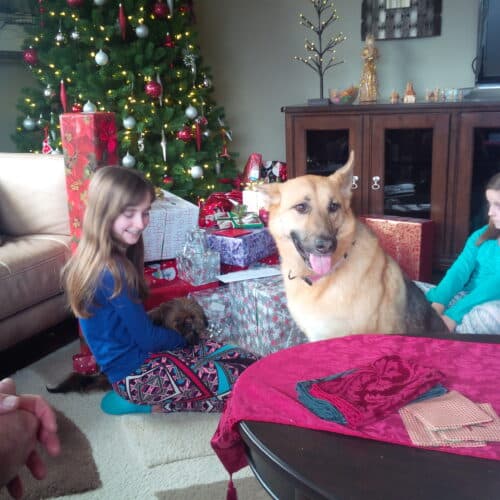
If you remember to consider your dogs needs as you prepare for the Holiday season everyone is sure to have a good time.
References
When everyone is busy and otherwise occupied don’t forget to spend some quality time with your dog – playing a favourite game, going for a walk or just having a snuggle. Your dog needs your attention just as much at Christmas time as he does the rest of the year.